Buying Property in Crete: A Foreign Buyer's Guide to Areas, Access and Due Diligence
A practical guide for foreign buyers comparing Chania, Rethymno, Heraklion, Lasithi and rural Crete, with access, services, property types and due-diligence priorities.
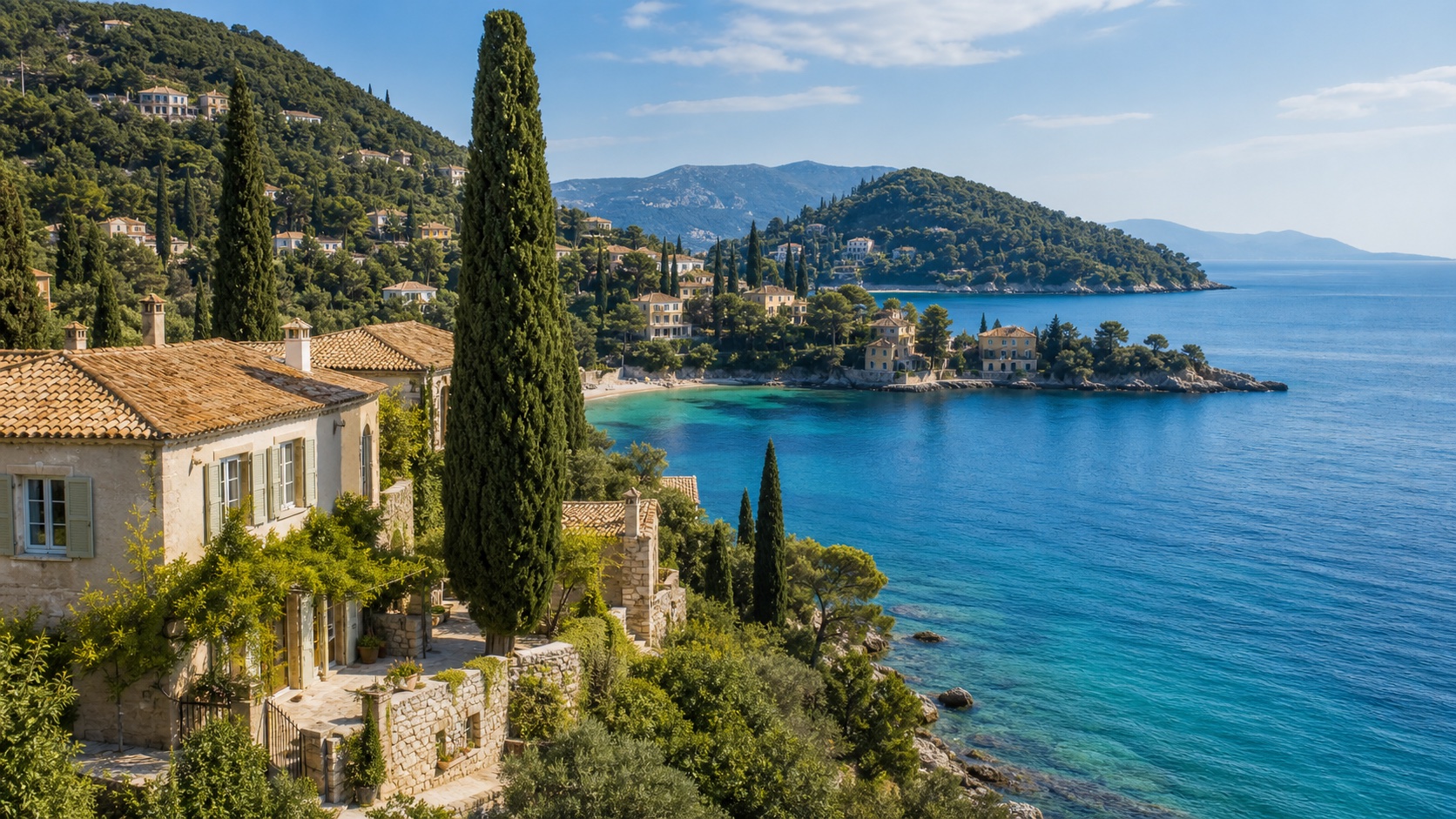
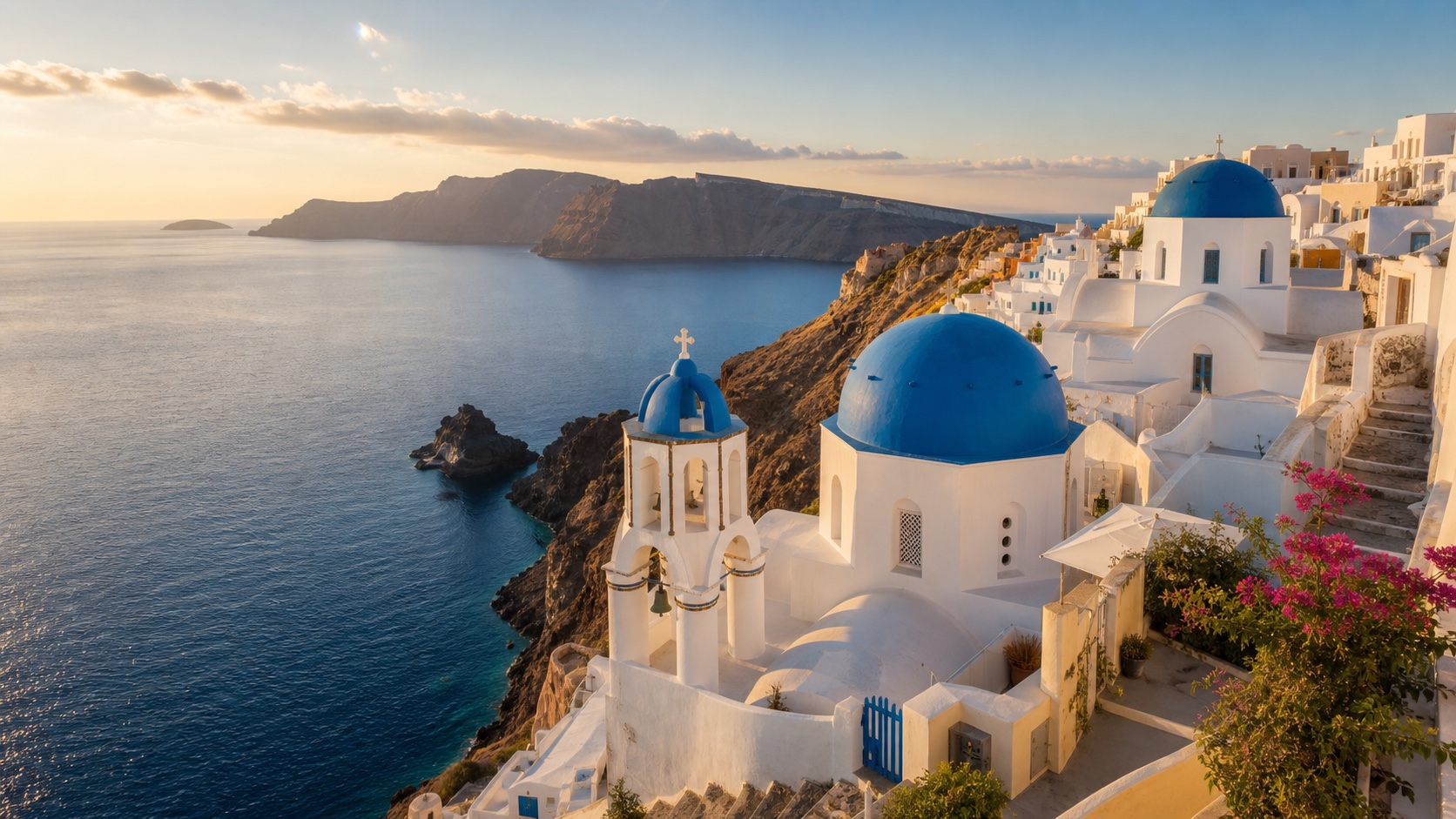
Crete is large enough that asking whether it is a good place to buy property is almost the wrong question. The useful question is which part of Crete fits the life you want.
The Greek National Tourism Organisation describes Crete as Greece's largest island, with an area of about 8,340 square kilometres and more than 1,000 kilometres of coastline. It contains major towns, mountain villages, agricultural areas, resort markets and remote southern coastlines. That scale gives foreign buyers more choice than on many smaller islands, but it also makes location selection more important.
This guide was reviewed on 29 September 2026. It is general information, not legal, engineering, tax or investment advice.
Crete at a glance
Why Crete attracts foreign buyers
Crete combines island life with substantial year-round population and services. Chania, Rethymno, Heraklion and the towns of Lasithi support permanent residents as well as visitors. There are airports, universities, hospitals, shops, trades and working local economies.
That matters if you want more than a seasonal holiday home. A buyer planning to spend winters in Greece should investigate which services remain practical all year, not only what is open during the summer season.
Chania: beauty, international demand and western Crete
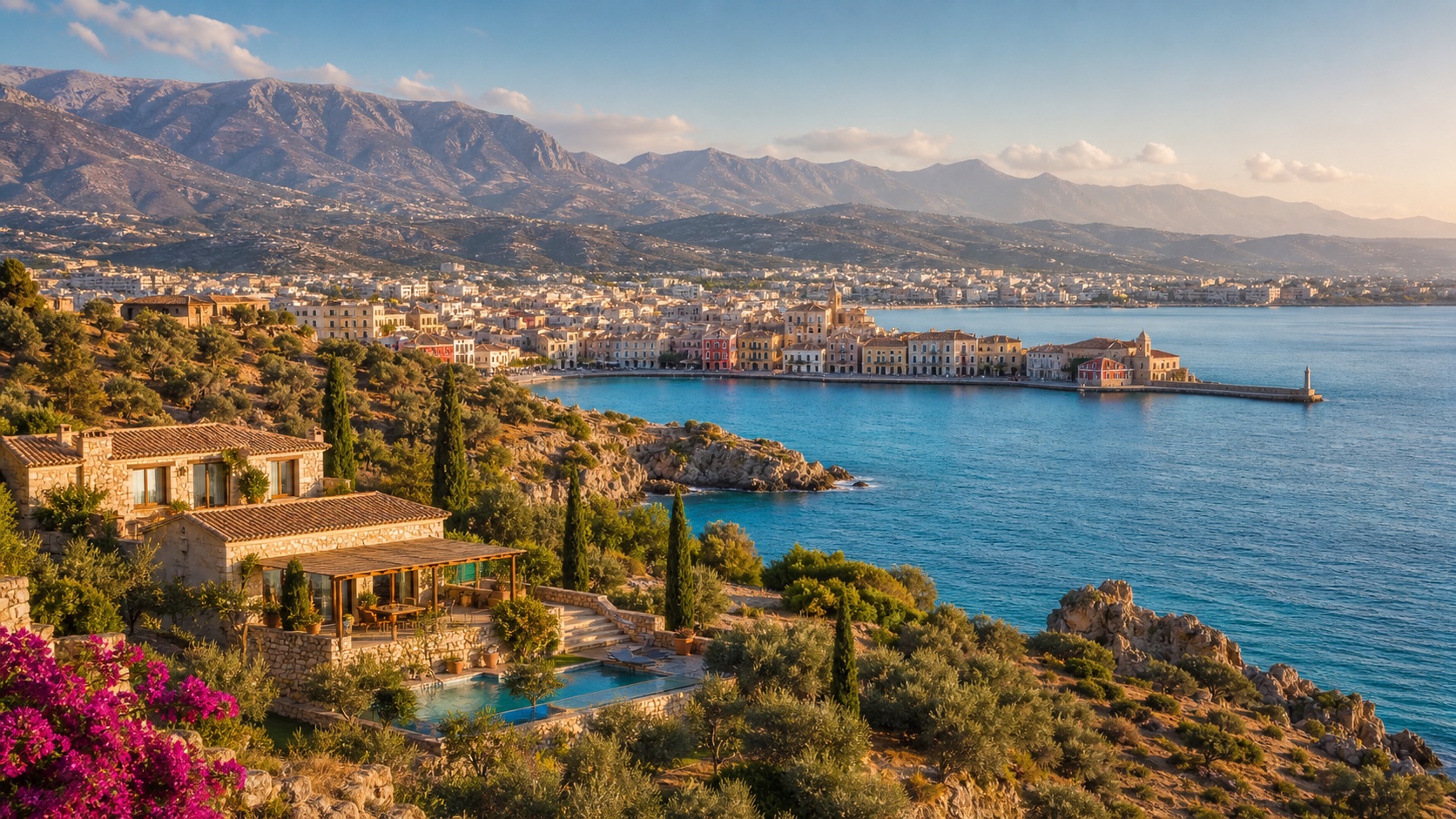
Chania combines a historic Venetian harbour, a functioning city and access to western Crete's beaches and villages. The wider area attracts international buyers who want a recognisable destination with airport access.
The city itself, coastal suburbs and inland villages are different markets. A central apartment may suit walkability and long stays. A villa west or east of the city may offer views and outdoor space but create more dependence on a car.
Do not compare them only by price per square metre. Compare daily life, parking, access, winter activity and the cost of maintaining the property.
Rethymno: a smaller-city compromise
Rethymno offers a historic centre and university presence with a smaller scale than Heraklion. Its position between Chania and Heraklion can appeal to buyers who want a town environment without choosing the island's largest city.
As elsewhere in Crete, coastal resort areas can behave differently from the town itself. Ask whether your target location has a permanent community, seasonal tourism or a mixture.
Heraklion: services and year-round urban life
Heraklion is Crete's largest urban centre and an important commercial and transport hub. Buyers who prioritise healthcare, work, education, shopping and year-round city life may prefer the wider Heraklion market over a resort.
Urban property requires the same building-level checks as elsewhere: common expenses, lift, roof, parking, noise, energy performance and any planned shared works.
Lasithi, Agios Nikolaos and Elounda
Eastern Crete includes Agios Nikolaos, Elounda, Sitia and Ierapetra, each with a different profile. Elounda is internationally associated with luxury tourism, while Agios Nikolaos functions as a substantial town. Sitia and Ierapetra open different parts of eastern and southern Crete.
Do not assume that two properties in Lasithi have similar access simply because they are in the same regional unit. Driving times, mountain roads and airport choice can matter considerably.

North coast versus south coast
The north contains the largest cities, major transport infrastructure and many established resort areas. The south can feel more remote and dramatic.
For a permanent or frequent-use home, ask how often you will cross the mountains for services or flights. A quiet southern village may be ideal if seclusion is the goal, but inconvenient if you expect frequent international visitors.
Village houses and renovation projects
Crete has abundant older housing stock. Stone and masonry village houses can offer courtyards, thick walls and architectural character, but legal and technical due diligence is essential.
Ask an independent engineer to compare the existing building with plans and permits, investigate structure and moisture, and explain what proposed renovation work requires approval.
Our old stone house guide covers the questions to ask before committing to a renovation.
New builds and villas
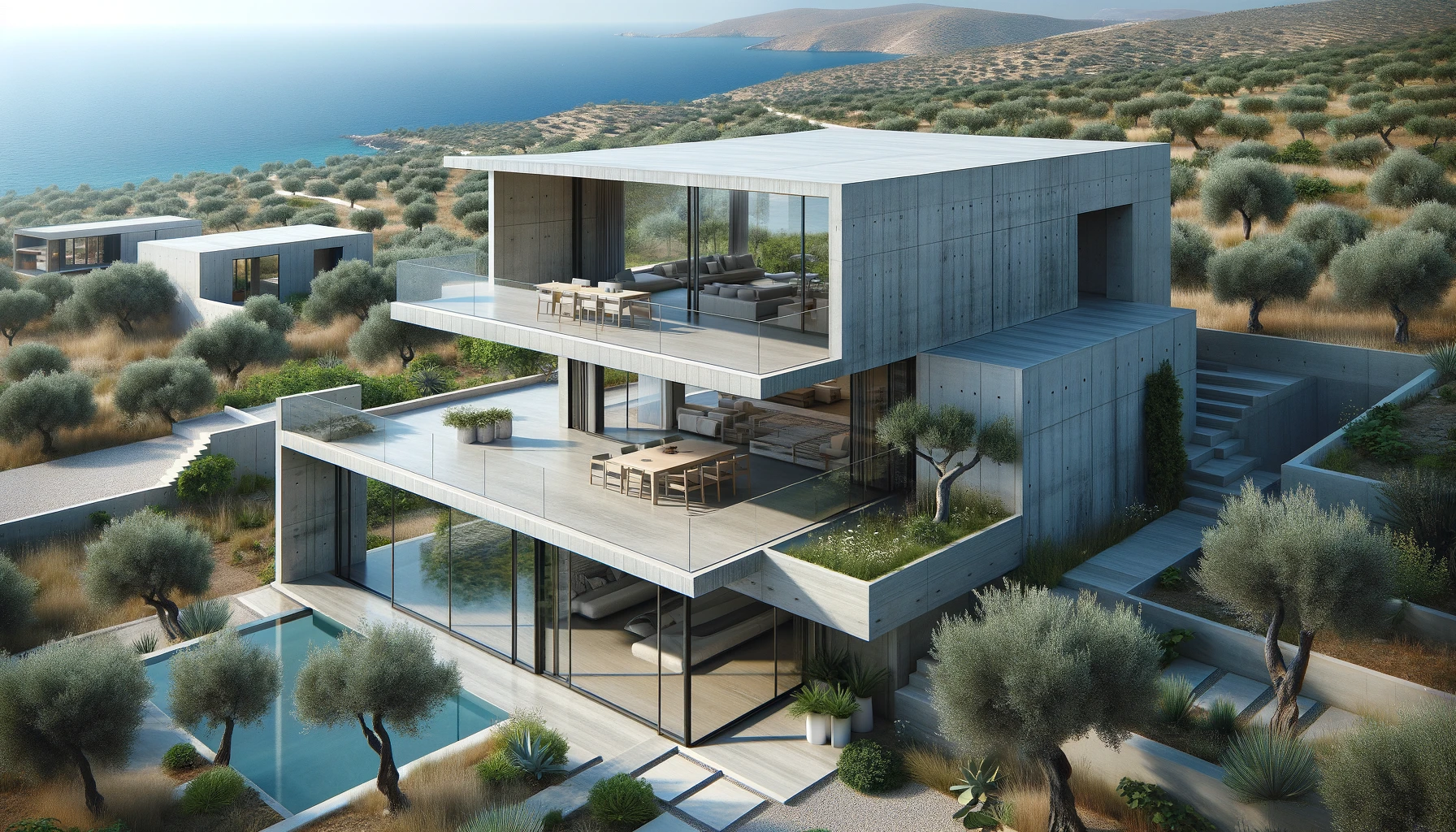
New villas can offer modern systems, pools, views and low immediate maintenance, but buyers should still verify title, permits, specification, boundaries and access.
For off-plan property, make sure the contract defines what will actually be delivered. Read our new build versus resale guide before comparing a development with an existing home.
Water, wind, heat and winter comfort
Crete's microclimates vary. Elevation, orientation and exposure can make two nearby properties feel very different. Ask about water supply, storage, irrigation, prevailing wind, shading and winter heating.
A property designed only for summer holidays may need work to become comfortable for year-round occupation.
Access and driving
A sea-view home on a hillside can involve steep or narrow roads. Visit the access in an ordinary car and imagine deliveries, emergency vehicles, elderly visitors and construction work.
Check whether parking is legally and practically usable. In historic villages, a listing that says parking nearby can mean a significant walk.
Legal and technical checks
Your lawyer should verify seller ownership, title, encumbrances, cadastral or registry information and rights affecting access. Your engineer should verify permits, recorded area and the physical building.
Use our due-diligence checklist and title-check guide.
Buying costs and annual ownership
AADE states that real-estate transfer tax is generally calculated at 3% of taxable value, with the applicable municipal levy. Add notary, legal, registration, engineering and other property-specific costs.
Owners also need to consider ENFIA, insurance, utilities, maintenance and management. If you live abroad, budget for somebody reliable to inspect the home while it is empty.
Rental assumptions
Crete has major tourism demand, but a holiday-rental model should not be built from peak nightly rates. Model seasonality, occupancy, cleaning, management, utilities, repairs and tax.
Short-term accommodation rules can change. Check the current rules for the property and area before treating rental income as necessary to the purchase.
A useful Crete buying strategy
Start with lifestyle rather than listings. Decide whether you want a city, walkable town, coastal resort, working village or rural property. Then shortlist two regions and spend several days in each.
Drive the routes you would use for groceries, airport, hospital and beach. Visit in the evening. Ask what closes in winter. Only after that should you compare individual properties.
Crete rewards buyers who narrow the map before widening the property search.
Sources reviewed
Destination facts were checked against the Greek National Tourism Organisation's official Crete guide. Market context was checked against Bank of Greece residential property data and buyer tax obligations against AADE. Exact prices, rental conditions, planning status and legal issues must be verified for the specific property.