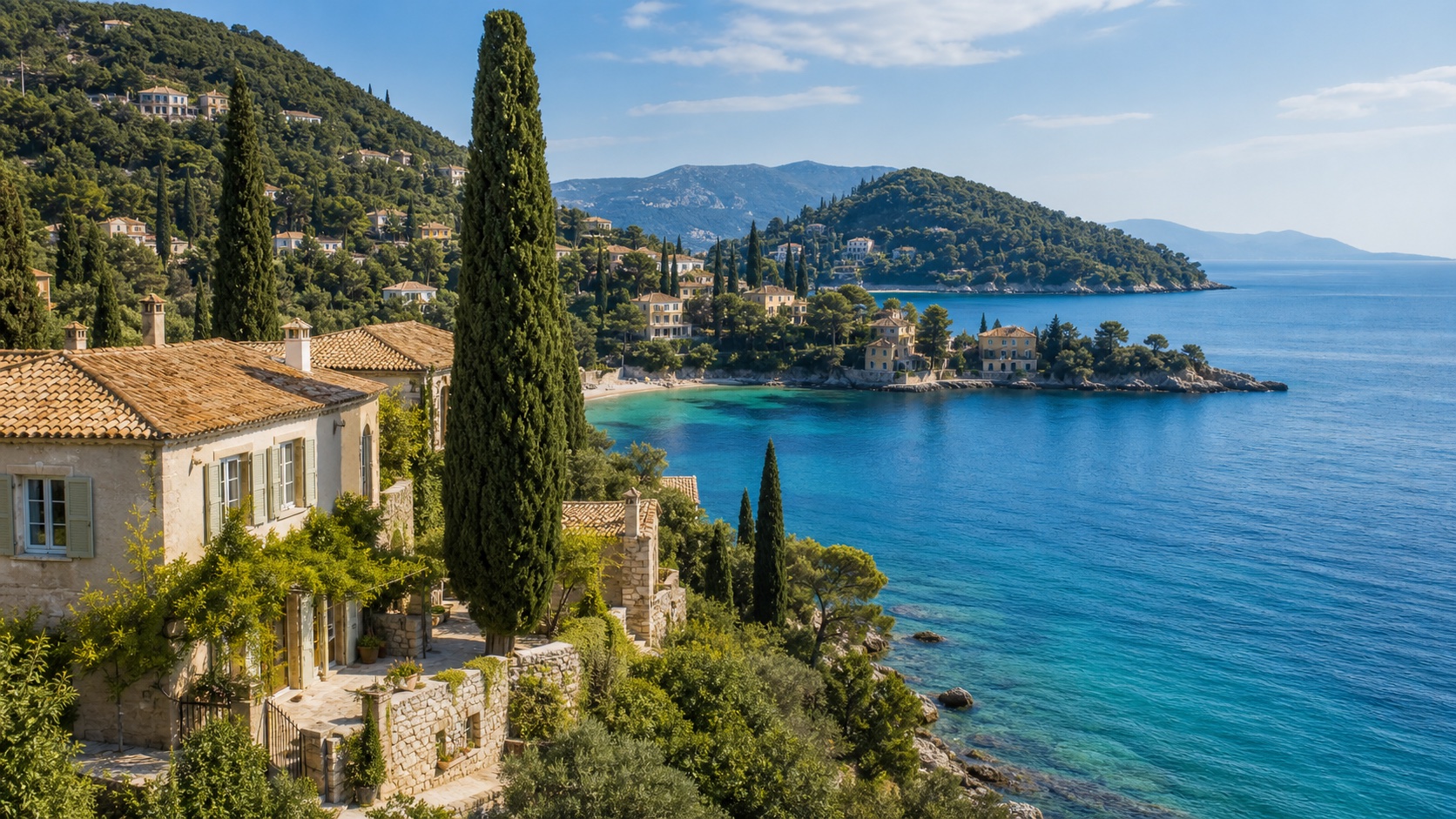
Greek Islands Property Guide: Where Foreign Buyers Should Start Their Search
A practical framework for choosing a Greek island property, comparing access, year-round services, housing stock, climate, rental season and ownership logistics.
Buying on a Greek island starts with a deceptively difficult question: which island? Greece is not one property market and its islands are not interchangeable. An apartment near a year-round town in Crete solves a very different problem from a whitewashed holiday house in the Cyclades or a stone villa in the Ionian.
Visit Greece notes that the country has thousands of islands and islets, with 227 inhabited islands. For a property buyer, that variety is both the attraction and the challenge. The right island is the one that still works after the holiday feeling is removed from the decision.
This guide was reviewed on 29 September 2026. It is general information and does not replace property-specific legal, engineering, tax or investment advice.
Island selection framework
First decide what the property is for
Write down the primary purpose: permanent home, seasonal base, family holiday house, long-term rental, occasional rental or future retirement. A property can serve several purposes, but one should lead the search.
A permanent resident needs healthcare, groceries, schools or community, reliable winter transport and year-round trades. A holiday buyer may prioritise beach access and airport connections. A rental investor needs to understand demand, season length and management.
Our broader location checklist for foreign buyers is a useful starting point.

Access is part of the property
Ask how you will reach the home from your country, not simply whether the island has an airport. Is the airport international year-round or mainly seasonal? If a connection requires Athens, how reliable and convenient is the transfer?
For ferry-dependent islands, investigate the port you will use, winter schedules, weather disruption and the journey from port to property. If you expect frequent visitors, complicated access can change how often the home is actually used.
Also check the final kilometre. A dramatic hillside villa may involve steep roads, narrow lanes or steps that affect older visitors, deliveries and maintenance.
Year-round population changes everything
Some island resorts become extremely quiet outside summer. That may be exactly what you want, but verify what remains open.
Spend time in the nearest real town. Look for supermarkets, pharmacies, medical services, cafés, hardware stores, trades and administrative services. Ask residents what winter is like.
Crete, for example, is Greece's largest island and has substantial cities and a broad year-round economy. Smaller islands can offer intimacy and beauty with a different service profile.
Compare island groups, not stereotypes
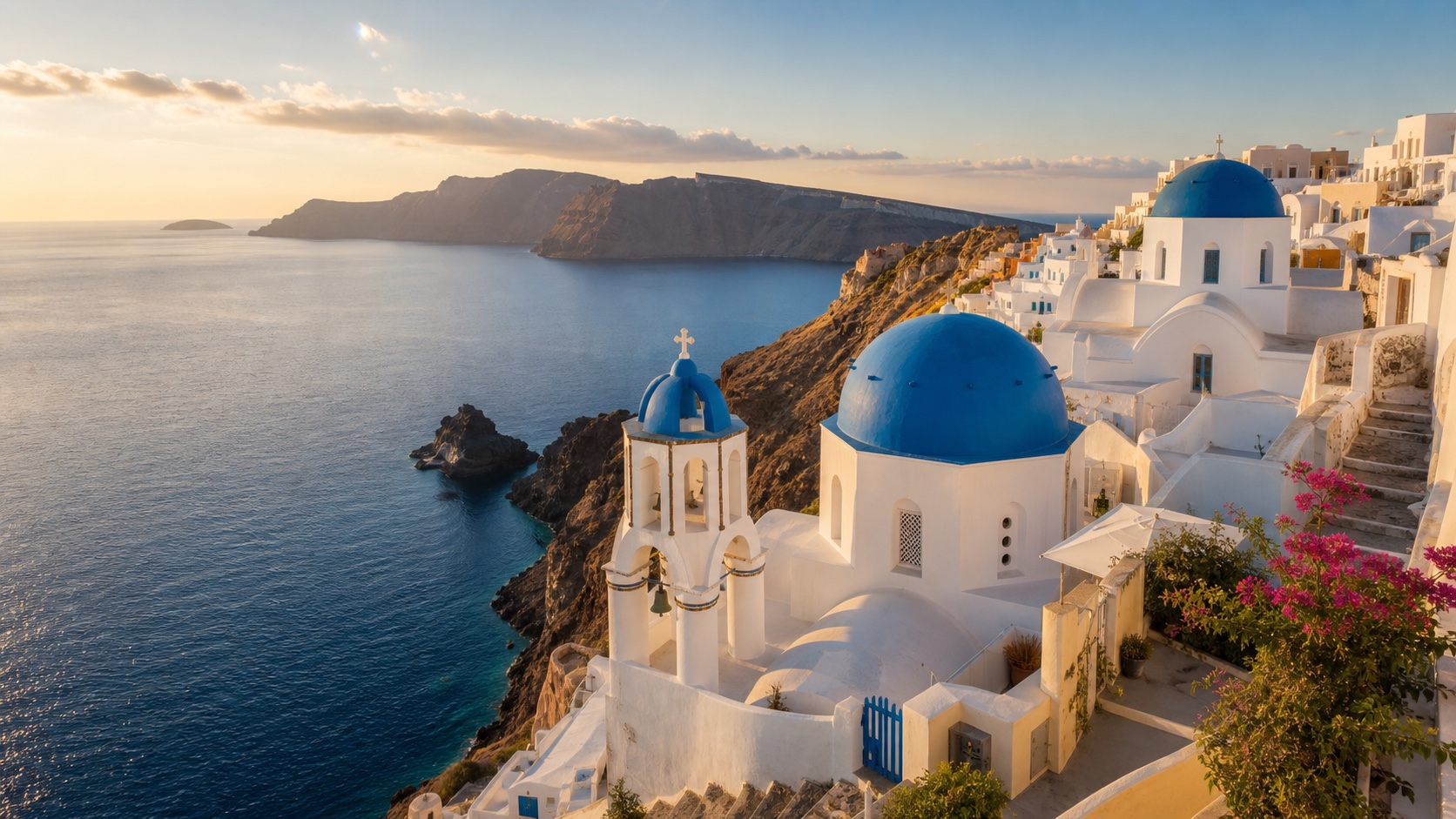
The Cyclades are known for distinctive architecture, dry landscapes and strong tourism on islands such as Mykonos and Santorini, but conditions vary widely between islands.
The Ionian islands are generally greener. Corfu combines a major historic town with resorts and villages, while Kefalonia is a large island with multiple centres and substantial driving distances.
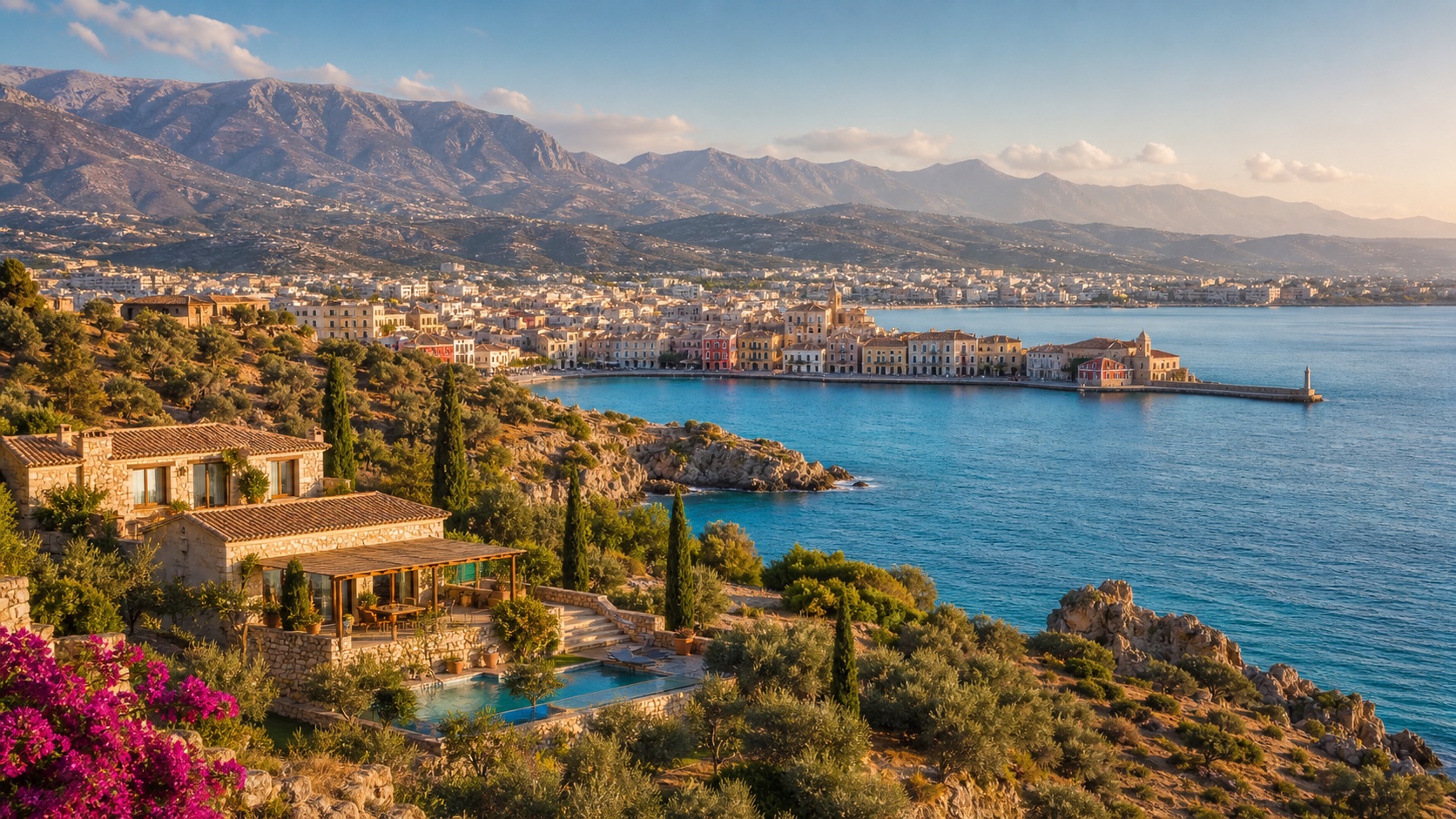
Crete is almost a region in itself, with Chania, Rethymno, Heraklion, Agios Nikolaos, Elounda and many rural and coastal markets.
The Dodecanese, Sporades, Saronic and North Aegean islands each have different transport, climate, architecture and tourism patterns. Avoid choosing an island group before you have defined your practical needs.
Look at the micro-location
Island property values and usability can change sharply within a few kilometres. A sea view may come with wind exposure. A secluded bay may require a long drive for groceries. A historic village can be beautiful but difficult for parking and building work.
Visit at different times of day. Listen for roads, bars, church bells and aircraft. Check sun orientation and prevailing wind. Ask about water pressure, drainage, internet and power reliability.
Understand the building stock
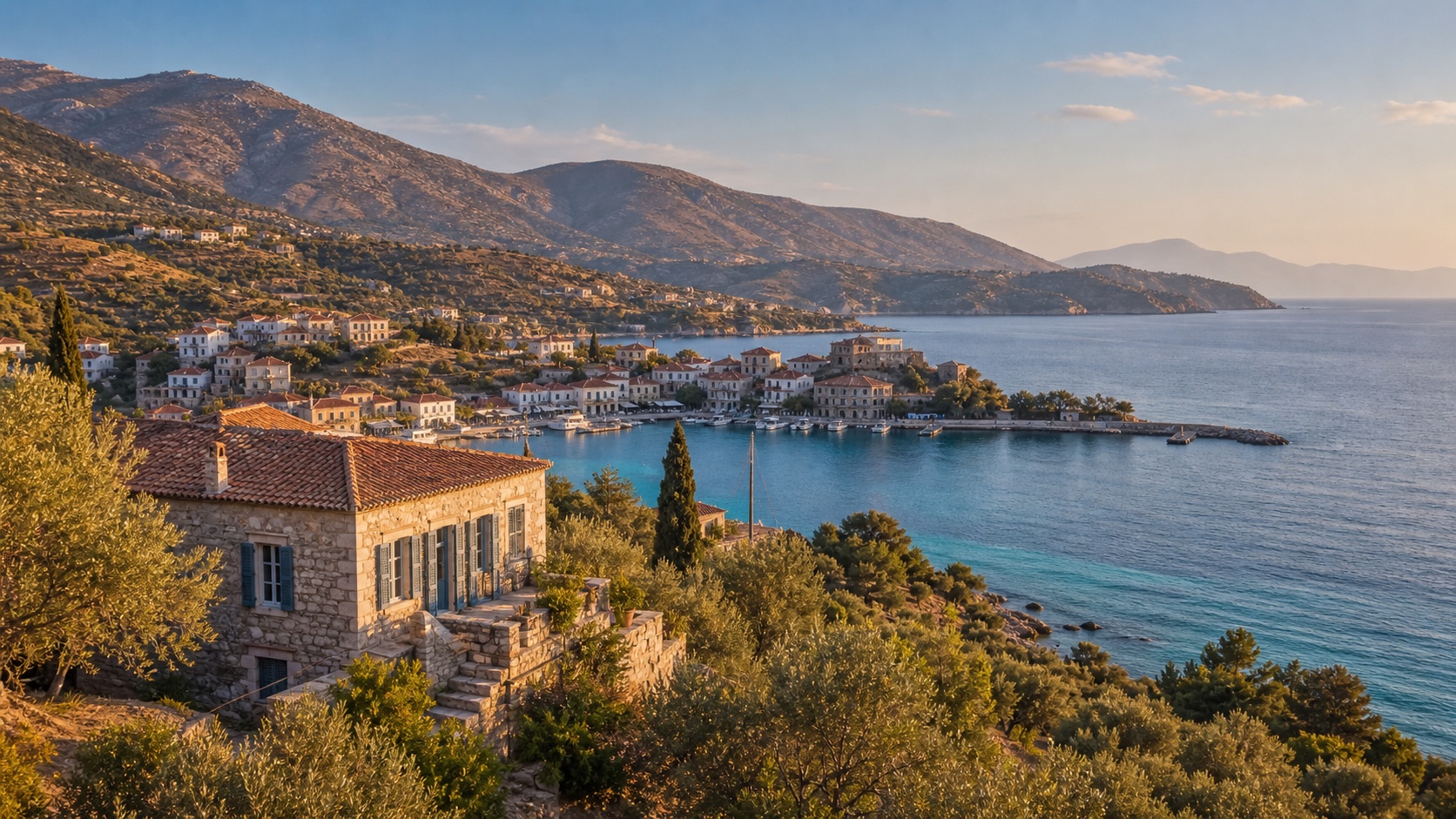
You may encounter new villas, modern apartments, 1970s and 1980s buildings, traditional stone houses, village homes and properties that have been extended over decades.
Age alone does not determine quality. What matters is whether the legal building record matches reality and whether the structure and services are sound.
For older homes, read Buying an Old Stone House in Greece. For any property, use an independent engineer.
Renovation is harder when logistics are harder
Island renovation can involve ferry freight, limited specialist trades, narrow access and summer construction pressures. A project that looks inexpensive on paper can become costly when materials and workers must travel.
Before buying a renovation property, ask a local engineer or contractor how materials would reach the site and whether specialist labour is readily available. Separate structural and weatherproofing work from cosmetic upgrades.
Check legal and cadastral issues before falling in love
Your lawyer should verify ownership, encumbrances, cadastral or registry records, boundaries and any rights affecting the property. Your engineer should check permits, recorded floor area and alterations.
Do not accept "everyone does it here" as evidence that an extension or access arrangement is legally sound.
See our Greek property title-check guide.
Budget for ownership, not just acquisition
AADE states that real-estate transfer tax is generally 3% of taxable value, with the municipal levy on the main tax. Add professional and registration costs, furnishing, insurance and any immediate work.
Island ownership can also involve higher travel and maintenance costs. Salt, sun, wind and humidity can be hard on exterior finishes, metalwork and equipment.
If you will be absent for months, budget for somebody local to inspect the property.
Rental income requires a conservative model
Do not value an island home from a peak August nightly rate. Model the realistic season, occupancy, cleaning, management, platform charges, utilities, repairs, tax and periods when the home is unavailable.
Rules for short-term accommodation can change and may depend on the property and location. Read our short-term rental rules guide and confirm the current position before relying on rental income.
Think about resale before purchase
The most beautiful house on an inaccessible road may have a narrow future buyer pool. Properties near functioning towns, airports, ports and established international markets may be easier for overseas buyers to understand.
That does not mean buying only mainstream locations. It means recognising that uniqueness and liquidity are different qualities.
A useful island shortlist method
Choose three islands, not fifteen. Visit each with the same scorecard: international access, winter access, healthcare, groceries, community, beaches, climate, housing stock, renovation logistics, rental season, management and resale audience.
Then choose two or three micro-locations on the strongest island and compare actual properties.
This is more reliable than browsing hundreds of listings across Greece without a location thesis.
Sources reviewed
Destination facts were checked against the Greek National Tourism Organisation's Visit Greece material, including its island, Crete, Corfu and Kefalonia guides. Market context was checked against Bank of Greece residential property data, and buyer tax obligations against AADE. Local property conditions and values should be verified for the exact location.